Abramelin the Mage is a mysterious figure in the history of Western occultism, best known through the famous magical text The Book of Abramelin. According to the story presented in the book, Abramelin was an Egyptian mage and wise man who taught sacred magical practices to a wandering scholar named Abraham of Worms during the fifteenth century. Though historians debate whether Abramelin was a real person or a legendary character, his influence on ceremonial magic has been profound and long-lasting.
The Book of Abramelin was originally written in Hebrew and later translated into several European languages. It describes a complex system of spiritual purification, prayer, meditation, and magical operations designed to help practitioners achieve communication with their “Holy Guardian Angel.” Unlike many grimoires of the Middle Ages that focused mainly on summoning spirits or gaining material power, Abramelin’s teachings emphasized spiritual discipline, moral purity, and self-knowledge before attempting magical practices.
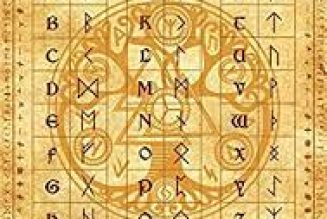
One of the most famous elements associated with Abramelin is the use of magical squares. These are arrangements of letters believed to contain mystical powers capable of producing specific effects such as healing, invisibility, or discovering hidden treasures. The book also includes rituals meant to control demons, although these are presented as secondary to the higher spiritual goal of divine enlightenment.
Abramelin’s work became especially influential in the nineteenth and twentieth centuries when occult organizations such as the Hermetic Order of the Golden Dawn began studying and adapting its teachings. Well-known occultists including Aleister Crowley regarded the Abramelin system as one of the most important paths to spiritual achievement. Crowley even attempted to perform the lengthy Abramelin ritual himself, though he did not complete it successfully.
Today, Abramelin the Mage remains an intriguing symbol of mystical wisdom and esoteric tradition. His teachings continue to inspire students of magic, spirituality, and the occult. Whether viewed as historical fact, symbolic allegory, or religious mysticism, the legend of Abramelin reflects humanity’s enduring fascination with hidden knowledge and the search for spiritual transformation.