Sybil Leek was one of the most famous and controversial mystics of the twentieth century. Born in 1917 in Stoke-on-Trent, England, she became widely known as an astrologer, psychic, and author who openly practised witchcraft at a time when such subjects were often feared or misunderstood. From an early age, Leek claimed to possess unusual spiritual abilities and developed a deep interest in astrology, numerology, and the occult arts.
Sybil Leek gained international attention during the 1960s when newspapers called her “Britain’s most famous witch.” Unlike the frightening image many people associated with witchcraft, she presented it as a peaceful spiritual tradition connected with nature and ancient wisdom. She often appeared wearing black robes and was accompanied by her pet jackdaw, Mr. Hotfoot Jackson, which made her a memorable public figure. Because of growing publicity and criticism in Britain, she later moved to the United States, where she continued her work as a lecturer and spiritual adviser.
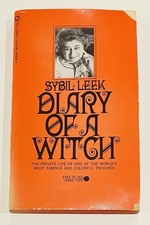
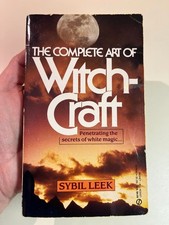
Leek wrote more than sixty books on astrology, reincarnation, magic, dreams, and psychic experiences. Among her best-known works are Diary of a Witch, The Complete Art of Witchcraft, and Astrology: The Cosmic Science. In Diary of a Witch, she described her personal life and beliefs, helping readers understand modern witchcraft from her point of view. The Complete Art of Witchcraft explained magical traditions, rituals, and spiritual practices, while Astrology: The Cosmic Science explored how planetary movements were believed to influence human life.
Her books became popular because they combined storytelling with practical advice and spiritual ideas. Many readers admired her courage in discussing subjects that society often rejected. Critics, however, questioned the accuracy of her claims and considered her ideas controversial.
Despite differing opinions, Sybil Leek played an important role in bringing astrology and occult studies into popular culture. Through her writings, television appearances, and public lectures, she encouraged people to explore spirituality with curiosity rather than fear. Today, she remains an important figure in the history of modern mysticism and alternative spirituality.

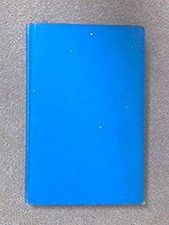

![BY SYBIL LEEK - DIARY OF A WITCH (1968-06-16) [HARDCOVER]](https://i.ebayimg.com/images/g/dPMAAeSwbKFqLFk5/s-l225.jpg)