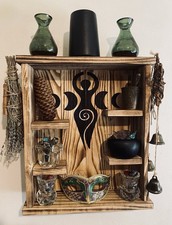
A Pagan altar is a sacred space used for prayer, meditation, spellwork, seasonal celebrations, and honoring deities or nature. Across many traditions of modern Paganism, including Wicca, Druidry, Heathenry, and eclectic spiritual paths, the altar acts as both a symbolic center and a practical workspace for ritual activities. While every altar is unique and reflects the beliefs of the practitioner, there are several common tools that appear frequently. Each item carries symbolic meaning and helps create focus, intention, and spiritual connection.
One of the most recognizable altar tools is the altar cloth. This cloth covers the surface of the altar and helps define the area as sacred. Practitioners often choose colors or patterns that match the season, ritual purpose, or deity being honored. For example, green may symbolize growth and fertility during spring rituals, while black or deep purple might be used for protection or ancestral work. Natural fabrics such as cotton or linen are commonly preferred because they reflect a connection to the earth.
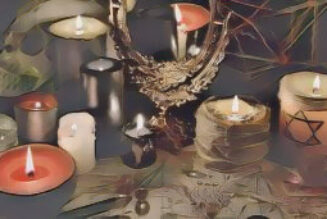
Another central item is the candle. Candles represent the element of fire and are often used to symbolize divine presence, personal energy, or spiritual illumination. Many Pagans place two candles on the altar to represent balance, such as the Goddess and God in Wiccan traditions. Different candle colors also carry meaning. White candles are associated with purity and healing, red with passion and strength, blue with wisdom and peace, and green with prosperity and nature. Lighting a candle at the beginning of a ritual marks the transition from ordinary space into sacred time.
The chalice is another important altar tool. Traditionally a cup or goblet, the chalice symbolizes the element of water and the receptive, intuitive aspects of spirituality. During rituals, it may hold water, wine, herbal tea, or another sacred drink used for blessings or offerings. In many traditions, the chalice also represents the feminine principle and is paired symbolically with the athame, creating a balance between masculine and feminine energies.
The athame is a ritual knife that usually has a double-edged blade and a black handle. Unlike ordinary knives, the athame is not generally used for physical cutting. Instead, it is used to direct energy, cast circles, and symbolize the element of air or fire depending on the tradition. Practitioners may use the athame to trace sacred symbols in the air or to define ritual boundaries. Because it is considered a sacred tool, the athame is often treated with respect and stored carefully when not in use.
Closely related to the athame is the wand, another tool for directing energy. Wands are often made from wood and may be decorated with crystals, carvings, or symbols. Different woods are believed to carry different energies; for example, oak symbolizes strength and wisdom, while willow is associated with intuition and healing. The wand is commonly connected to the element of air and is used during invocations, blessings, and spellwork. Some practitioners prefer the wand because it feels gentler and more natural than the athame.
The pentacle is a flat disc or plate marked with a five-pointed star inside a circle. It is one of the most widely recognized Pagan symbols and represents the element of earth as well as spiritual balance. The five points often symbolize earth, air, fire, water, and spirit working together in harmony. On the altar, the pentacle may serve as a place to charge objects, hold offerings, or ground ritual energy. Pentacles are commonly made from wood, clay, metal, or stone.
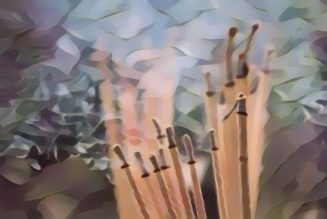
Incense and incense burners are also common altar items. Burning incense symbolizes purification and the element of air. The rising smoke is believed to carry prayers and intentions into the spiritual realm. Different scents are chosen for different purposes. Frankincense and sandalwood are often used for meditation and sacred rituals, lavender for peace, and rosemary for cleansing. The act of lighting incense can help create a calm atmosphere and prepare the mind for spiritual work.
Many Pagan altars also include representations of the four classical elements: earth, air, fire, and water. A bowl of salt or stones may represent earth, incense or feathers represent air, candles symbolize fire, and a chalice of water completes the elemental balance. These symbols remind practitioners of the interconnectedness of nature and the cycles of life.
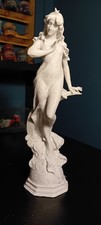
Finally, personal and devotional items often make an altar deeply meaningful. Statues of deities, crystals, seasonal decorations, flowers, tarot cards, or photographs of ancestors may all appear on a Pagan altar. These objects reflect the individual path of the practitioner and help strengthen emotional and spiritual connections.
In conclusion, the tools of a Pagan altar are both symbolic and practical. They help practitioners focus intention, honor natural forces, and create sacred space for ritual and reflection. Although traditions vary widely, the altar remains a deeply personal expression of spirituality, shaped by the beliefs, experiences, and creativity of the individual who uses it.