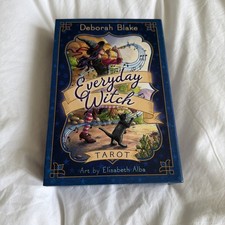
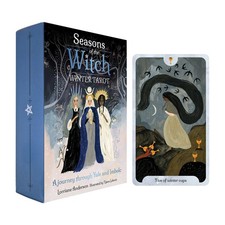
Tarot cards have fascinated people for centuries with their mysterious imagery, symbolic meanings, and connection to spirituality and self-discovery. Often associated with fortune-telling and mysticism, tarot cards are much more than tools for predicting the future. They represent a rich blend of history, psychology, art, and symbolism that continues to captivate individuals around the world.
The origins of tarot cards can be traced back to 15th-century Europe, particularly in Italy and France. Early tarot decks were created as playing cards for games enjoyed by the wealthy. These decks, known as “tarocchi,” were beautifully illustrated and hand-painted for noble families. It was not until the 18th century that tarot cards became associated with the occult and divination. Scholars and mystics began interpreting the cards as carriers of hidden wisdom, linking them to ancient Egyptian knowledge, astrology, and spiritual teachings.
A traditional tarot deck contains 78 cards divided into two main sections: the Major Arcana and the Minor Arcana. The Major Arcana consists of 22 cards that symbolize significant life lessons, spiritual themes, and transformative experiences. Some of the most recognized cards include The Fool, The Magician, The Lovers, Death, and The World. Each card carries deep symbolic meaning and reflects different stages of human growth and understanding.
The Minor Arcana contains 56 cards divided into four suits: Cups, Pentacles, Swords, and Wands. These suits are similar to those found in regular playing cards and represent various aspects of daily life. Cups are associated with emotions and relationships, Pentacles with money and material matters, Swords with thoughts and conflict, and Wands with creativity and ambition. Each suit includes numbered cards along with court cards such as the Page, Knight, Queen, and King.
Tarot readings are commonly used as a form of guidance and self-reflection. During a reading, a reader shuffles the deck and lays out cards in specific patterns called spreads. The interpretation of the cards depends on their position, symbolism, and connection to the individual’s question or situation. Contrary to popular belief, tarot readings are not always about predicting exact future events. Many readers see tarot as a tool for gaining insight into emotions, choices, challenges, and opportunities.
The imagery on tarot cards is one of their most intriguing features. Every symbol, color, and figure can carry multiple meanings. For example, water often symbolizes emotions and intuition, while mountains may represent obstacles or spiritual growth. The Death card, which many people fear, rarely predicts physical death. Instead, it usually symbolizes transformation, endings, and new beginnings. This layered symbolism allows tarot readings to be deeply personal and open to interpretation.
In modern times, tarot cards have gained popularity beyond spiritual communities. Many people use tarot for mindfulness, creativity, journaling, and personal development. Psychologists and therapists have even explored tarot imagery as a way to encourage self-exploration and conversation. The cards can help individuals reflect on their feelings, motivations, and life decisions in a thoughtful and imaginative way.
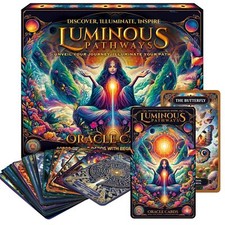
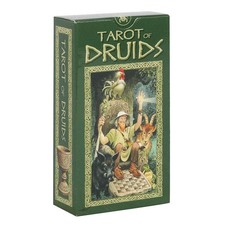
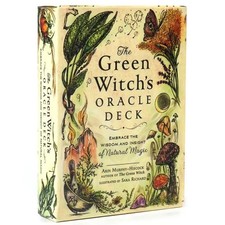
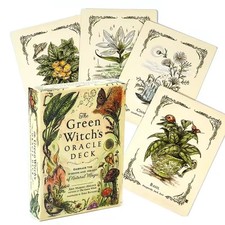
The rise of social media and online spirituality has also contributed to the renewed interest in tarot. Digital tarot readings, online tutorials, and themed decks inspired by movies, literature, and popular culture have made tarot more accessible than ever before. People from different backgrounds now view tarot in diverse ways—some see it as a spiritual practice, others as entertainment, and many as a source of inspiration and introspection.
Despite its popularity, tarot remains surrounded by misconceptions. Some believe tarot cards are connected to dark forces or supernatural powers. However, many practitioners view tarot simply as a symbolic language that helps individuals connect with their inner thoughts and emotions. The effectiveness of tarot often depends on personal belief, intuition, and openness to reflection rather than magic or certainty.
Tarot cards continue to endure because they speak to universal human experiences. Themes of love, loss, hope, change, fear, and growth appear throughout the deck, making the cards relatable across cultures and generations. Whether used for spiritual guidance, artistic appreciation, or personal insight, tarot cards remain a powerful and fascinating part of human culture.
In conclusion, tarot cards are far more than mysterious fortune-telling tools. They are historical artifacts, symbolic works of art, and instruments for self-discovery. Their enduring appeal lies in their ability to inspire curiosity, reflection, and imagination. As interest in spirituality and personal growth continues to expand, tarot cards are likely to remain an important and intriguing practice for years to come.