Witchcraft has long been connected to the study of plants and the observation of the stars. In early modern Europe, people who practiced folk magic or healing often relied on herbals—books that described the uses of plants for both medicine and magic. One of the most important of these was Culpeper’s Herbal, officially called Culpeper’s English Physician and Complete Herbal, first published in London in 1652. Written by Nicholas Culpeper, this book carefully listed many herbs, explaining their properties, uses, and how they related to the planets.
Culpeper believed that knowing which planet ruled each herb was important for healing. He famously said that “physic without astrology is like a lamp without oil.” In his view, the best results came from gathering, preparing, and using herbs at times chosen according to the positions of the planets. This idea reflected a belief that nature and the cosmos were closely linked, and that working in harmony with these forces could improve the outcome of magical or medicinal practices.
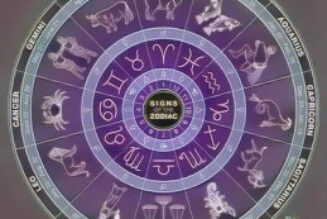
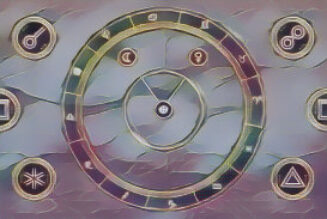
Another key figure was William Lilly, whose Introduction to Astrology was published in London in 1647. Lilly’s book taught readers how to create and interpret astrological charts, especially for horary astrology. This branch of astrology answers specific questions or reveals hidden information by casting a chart for the exact moment a question is asked. Many village witches and cunning folk used this method to help diagnose illnesses, find lost items, or predict future events.
The combination of astrology and herbalism was a practical part of daily life for many practitioners. By using Culpeper’s Herbal to find the planetary connections of plants, and Lilly’s astrological methods to choose the right timing, witches and healers aimed to make their remedies and rituals more effective. While some people doubted these practices or misused them, they also show a thoughtful tradition of careful observation, timing, and respect for the connections between all things. This tradition continues to inspire many modern practitioners of witchcraft today.