The Spring Equinox, also known as the Vernal Equinox, marks a pivotal moment on the wheel of the year when day and night stand in perfect balance. This astronomical event occurs when the sun crosses the celestial equator, resulting in nearly equal hours of daylight and darkness across the globe. While the days will continue to lengthen after this point, the equinox itself is a powerful symbol of equilibrium, transition, and renewal.
The names Ostara, Eostar, and Easter are rooted in ancient traditions that honor this threshold between darkness and light. Ostara, for example, is named after a Germanic goddess associated with dawn, fertility, and the reawakening of the earth. These celebrations are not merely symbolic; they reflect a deep, ancestral memory of living in harmony with the land, observing the cycles of nature, and welcoming the return of life each spring. The customs associated with these festivals—such as decorating eggs, planting seeds, and gathering with loved ones—are echoes of humanity’s enduring relationship with the rhythms of the earth.
Across the world, diverse cultures recognize and honor the arrival of spring in ways that reveal a shared reverence for the sun, the land, and the renewal of life. For instance, Nowruz, the Persian New Year, has been celebrated for over three millennia. This festival includes rituals like thorough spring cleaning, visiting family and friends, preparing special foods such as sabzi polo (herbed rice), and setting the Haft-Seen table with symbolic items representing health, prosperity, and rebirth. In Japan, Shunbun no Hi is observed as a national holiday, during which families visit ancestral graves, clean burial sites, and enjoy the fleeting beauty of cherry blossoms—a reminder of both impermanence and renewal. In Mexico, thousands gather at the ancient pyramid of Kukulcán in Chichén Itzá to witness the sun’s rays create the illusion of a serpent slithering down the temple steps, a dramatic spectacle that aligns with the equinox and honors the cycles of light and shadow. Both Easter and Passover, celebrated in many parts of the world, are also intimately connected to the equinox, with their calendars determined by the interplay of lunar and solar cycles. These holidays mark the return of light, freedom, and hope, often through rituals of storytelling, feasting, and communal gathering.
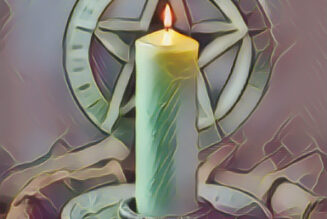
To welcome the beginning of spring, many practitioners and communities create rituals that invite new ideas, fresh energy, and opportunities for connection. Such rituals might include lighting candles to symbolize the growing light, planting seeds as an act of intention, or crafting altars with seasonal flowers, eggs, and symbols of renewal. Some choose to meditate outdoors, reflecting on personal growth and setting intentions for the months ahead. Others may gather in circles to share stories, chant, or simply witness the sunrise together, marking the shift from winter’s introspection to spring’s outward movement.
The equinox’s balance of day and night also offers a unique opportunity for reflection. It is a time to consider both personal and collective shadows—the aspects of ourselves and our communities that may have been hidden or neglected during the darker months. By acknowledging these shadows, individuals can gain new perspectives, foster healing, and cultivate a sense of wholeness as they move forward into the season of growth.
Ultimately, the Spring Equinox serves as a powerful reminder that change is not only possible, but inevitable. As the earth awakens and life returns in abundance, this season invites all who observe it to embrace transformation, seek balance, and celebrate the enduring cycles of renewal that connect humanity to the natural world.