The Spring Equinox, often called Ostara in many pagan traditions, is the time of year when day and night are equal in length. This balance is seen as a symbol of renewal and new beginnings. The event usually takes place around March 20th or 21st in the Northern Hemisphere, and has been recognized by many cultures as a period of growth and fertility.
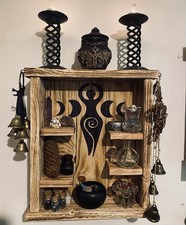
In pagan and witchcraft practices, rituals for the Spring Equinox are designed to honor the return of light and the earth’s awakening. Altars may be decorated with spring symbols such as fresh flowers, seeds, eggs, and pastel candles. These items represent fertility and the ongoing cycle of life.
Many traditional rituals include planting seeds, both in gardens and as a way to set intentions for personal growth. In some groups, individuals are chosen to represent the Spring Goddess and God, performing symbolic courtship rituals and offering blessings for a fruitful season.
Eggs are important symbols of rebirth and potential during the Spring Equinox. Activities like egg painting, egg hunts, and egg races are common, reflecting both historical traditions and the spirit of the season. Some people also include meditation, chanting, and candle lighting in their celebrations to welcome the growing sunlight and express gratitude for nature’s renewal.
Throughout history, the Spring Equinox has been observed in many ways, such as the Roman festival of Hilaria, the Persian Nowruz, and the Christian holiday of Easter, which shares several symbols and themes with pagan customs. Today, many modern pagans and witches continue to mark this time with rituals that celebrate balance, hope, and the connection between all living things.