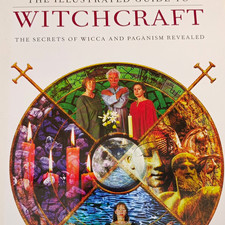
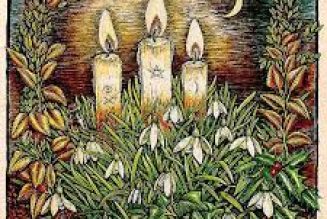
The word “equinox” is derived from the Latin terms “aequus,” which means “equal,” and “nox,” meaning “night.” In astronomy, an equinox takes place twice each year, around March 20th and September 23rd, when the sun crosses the celestial equator. On these dates, day and night are nearly the same length everywhere on Earth, representing a time of balance between light and darkness. Many cultures recognize the equinoxes as the start of spring and autumn, and have observed them for thousands of years as periods of transition and renewal. Around the world, people mark the equinox with festivals, rituals, and gatherings. For instance, in Japan, the spring and autumn equinoxes are national holidays dedicated to honoring ancestors. In Pagan and Witchcraft traditions, the vernal equinox is celebrated as Ostara, a festival focused on fertility and new beginnings, while the autumnal equinox is known as Mabon, a time for thanksgiving and reflection. The equinox often serves as a reminder of life’s cycles, encouraging balance, gratitude, and a connection to the rhythms of the earth.