The spring, or vernal, equinox in the Northern Hemisphere is a significant astronomical event, occurring this year on March 20 at 14:45 GMT. This moment marks the precise point when the sun crosses directly over the Earth’s equator, resulting in nearly equal amounts of daylight and darkness across the globe. The equinox is not only the astronomical beginning of spring, but also a powerful symbol of balance, renewal, and the cyclical nature of life. As the days grow longer and the nights shorter, the natural world awakens from winter’s dormancy, ushering in a period of growth, blossoming, and increased vitality.
The term “equinox” comes from the Latin words “aequus,” meaning equal, and “nox,” meaning night. In the Northern Hemisphere, the equinox typically falls between March 19 and 21. During this brief window, the Earth’s axis is tilted neither toward nor away from the sun, creating a near-perfect balance between day and night. However, true equality—known as the “equilux”—usually occurs a few days before the equinox itself, due to atmospheric refraction and the way sunrise and sunset are measured. This subtle distinction highlights the complexity and beauty of astronomical phenomena.
In the natural world, the spring equinox marks the end of winter’s cold grip and the beginning of a new season of warmth and light in the Northern Hemisphere. Plants begin to bloom, animals emerge from hibernation, and migratory birds return, all responding to the increasing daylight. In contrast, the Southern Hemisphere experiences the autumnal equinox at this time, signaling the transition from summer to fall. Meteorological and agricultural calendars have long relied on the equinox to guide planting, harvesting, and seasonal celebrations, as noted by organizations such as the Met Office and in educational resources worldwide.
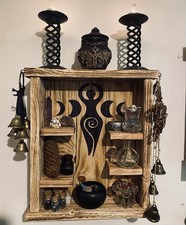
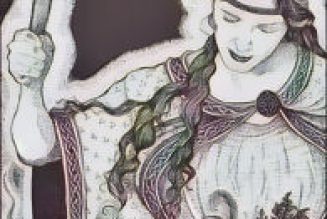
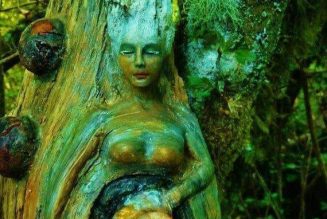
Throughout history, the equinox has held deep spiritual and cultural significance. Many ancient civilizations observed this time with rituals and festivals celebrating themes of resurrection, fertility, and renewal. The Romans honored Cybele, the mother goddess, with festivities that symbolized the return of life to the earth. In pagan traditions, the festival of Ostara is celebrated, named after the Germanic goddess of dawn and rebirth. These rituals often involved lighting fires, decorating eggs, and gathering in sacred spaces to honor the balance of light and dark. Even today, people gather at ancient sites like Stonehenge to witness the sunrise and mark the turning of the seasons, continuing a tradition that spans millennia.
Numerous holidays and observances are connected to the spring equinox. Nowruz, the Persian New Year, is celebrated by millions across the Middle East and Central Asia, symbolizing renewal and hope. In the Jewish tradition, Passover is linked to the lunar calendar and often falls near the equinox, commemorating liberation and new beginnings. Easter, one of Christianity’s most significant holidays, is observed on the first Sunday after the first full moon following the equinox, blending ancient lunar and solar cycles. These celebrations, rooted in diverse cultures, all reflect the universal human desire to honor the return of light and the promise of growth.
From an astronomical perspective, the equinox is a moment of remarkable symmetry. On this day, the sun appears to rise exactly due east and set due west for most locations on Earth, a phenomenon that can be observed with simple tools or even by watching shadows. This alignment has inspired countless myths, architectural marvels, and scientific discoveries throughout history. The equinox serves as a reminder of our planet’s place in the cosmos and the intricate dance between Earth and sun that shapes the rhythms of life. Whether through scientific observation, spiritual practice, or cultural celebration, the vernal equinox invites us to pause, reflect, and embrace the possibilities of a new season.