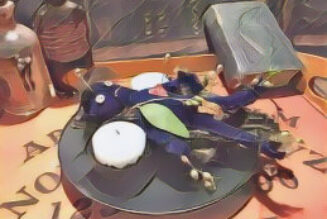
The word “hex” comes from the Pennsylvania Dutch language, which is influenced by German. In German, “hexe” means “witch.” In early American folk traditions, a hex referred to a magickal act meant to affect a person, their family, or their property—sometimes to harm, but also to protect. People who performed these acts were called hex-doctors, powwow doctors, or folk healers. They used focused intention, ritual gestures, and symbols to direct energy toward a specific purpose.
Although “hex” is often linked to negative intentions, such as causing illness or bad luck, it is important to know that hexes can also be used for positive reasons. In some traditions, the same methods used to curse can also be used to heal, protect, or bring good fortune. For example, a hex might be cast to keep away evil, help someone recover from illness, or ensure a good harvest. This shows that, in folk magick, the intention and situation matter most.
One of the best-known examples of hex-craft in America comes from the Pennsylvania Dutch. These German-speaking immigrants settled in Pennsylvania in the 1600s and 1700s. For them, hex-craft—sometimes called “powwow”—was a practical part of daily life. It offered solutions for health, safety, and prosperity, especially when other resources were limited. The powwow tradition combined Christian prayers, folk remedies, and magickal symbols, showing how early American spirituality often blended different beliefs.
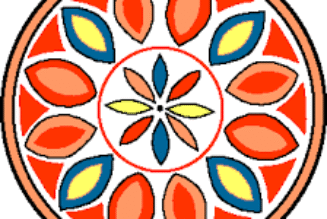
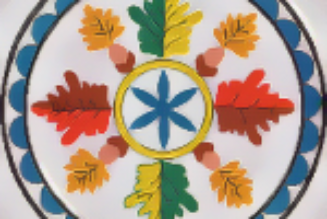
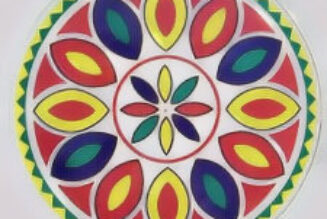
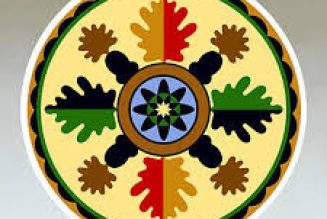
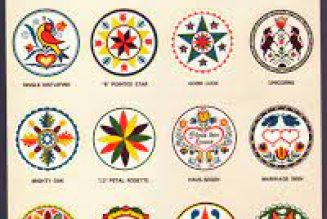
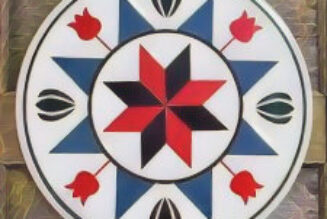
The most recognizable part of Pennsylvania Dutch hex-craft is the hex sign. These are colorful, geometric symbols painted on barns, homes, and shops in rural Pennsylvania. The designs—featuring stars, hearts, tulips, and birds—are not just for decoration. Each pattern has a specific meaning, such as protection, attracting love, or blessing crops and animals. For instance, a rosette can mean good luck, while a distelfink, a stylized goldfinch, stands for happiness and abundance.
Hex signs work much like Voodoo veves or other magickal symbols found in folk traditions worldwide. They act as visual prayers or charms, using natural and spiritual imagery to help bring about desired results. In farming communities, hex signs were believed to call on the four elements—earth, air, fire, and water—to support healthy crops and guard against storms or pests.
Today, hex-craft may seem mysterious or superstitious to some. But for early settlers, these practices were important tools for survival and well-being. Life on the frontier was challenging, and magickal traditions gave people a sense of control and hope. Even now, some people continue to practice hex-craft as a way to honor their heritage, express their spirituality, or create folk art.
In summary, the idea of the hex is complex and has many sides. It can be used for both harm and help, and its meaning changes across cultures and times. Whether for protection, healing, or cursing, hexes and hex-craft show the lasting human wish to shape the world through intention, symbols, and tradition. For those starting to explore witchcraft, learning about hexes offers valuable insight into the rich history of folk magick and its role in shaping communities and beliefs.