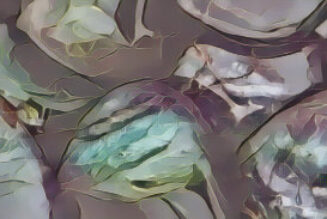
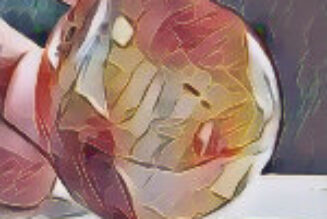
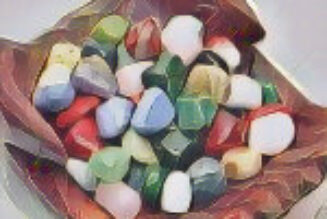
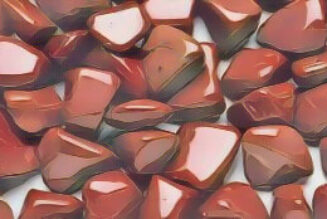
The Hag Stone, a naturally occurring stone shaped by the persistent forces of tides and winds, is easily recognized by the natural hole that passes through its center. This unique formation has captured human imagination for millennia, and the stone is known by many names across cultures: the Great Mother Stone, Odin Stone, Witch Stone, Faerie Stone, Wishing Stone, Seeing Stone, and Adder Stone. In Italian Witchcraft, it is often called the Holy Stone and is closely associated with faeries and the divine feminine.
Historically, Hag Stones have been revered in numerous cultures. In ancient Britain, they were believed to be gifts from the earth, imbued with the power to connect the physical and spiritual worlds. Norse mythology links them to Odin, the all-seeing god, while in Celtic traditions, they were considered portals to the Otherworld. In parts of Germany and Scandinavia, farmers would hang Hag Stones in stables to protect livestock from malicious spirits and witchcraft. In Slavic folklore, these stones were thought to repel curses and ill fortune, and in the Mediterranean, fishermen would tie them to their boats for safe passage and bountiful catches.
Traditionally, the Hag Stone is regarded as a doorway, or a key to a doorway, into the faerie realm. Folklore suggests that looking through the hole in the stone can offer a glimpse into the Otherworld, allowing one to see faeries, spirits, or hidden truths. Some traditions hold that peering through the stone by moonlight may reveal visions, ancestral spirits, or supernatural beings. In Cornwall, it was believed that only those with pure intentions could see through the stone’s portal.
Beyond its mystical associations, the Hag Stone is widely regarded as a powerful protective talisman. In old European traditions, it was commonly hung in bedrooms to prevent nightmares and ward off the evil eye, often tied with a red ribbon and suspended above the bed. In rural Ireland, Hag Stones were placed in cradles to protect infants from being taken by faeries. In Italy, they were worn as amulets to shield against malocchio, or the evil eye.
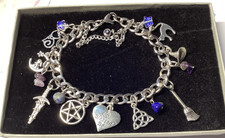
Across the world, Hag Stones have served as protective charms for centuries. They are believed to guard against harm, deflect negative influences, and provide spiritual security. In modern witchcraft, practitioners may wear Hag Stones as jewelry for personal protection, hang them above doorways or windows to safeguard a home or business, or place them near a pet’s sleeping area to offer protection. Some even incorporate them into protective spell jars or charm bags.
The protective power of Hag Stones is often attributed to their origin. Folklore holds that magic cannot cross running water, and because Hag Stones are formed by wind and water, they are believed to possess a strong natural resistance to harmful magic. Wearing a Hag Stone as a necklace or carrying it in a pocket is thought to serve as a potent charm for personal safety, especially during travel or spiritual work.
Hag Stones are also valued for their ability to enhance psychic abilities and intuition. They are frequently used as aids for meditation, scrying, and creative visualization. Some practitioners use Hag Stones as focal points during trance work or journeying, believing that the stone’s hole acts as a lens to other realms. In divination, a Hag Stone may be held or gazed through to receive insight or messages from spirit guides.
In matters of health, Hag Stones have a long history in folk healing and crystal therapy. They are used to support recovery from illness, maintain general well-being, and absorb negative energies. It is said that rubbing the stone on the body of someone who is unwell, or blessing and charging the stone to draw out illness, can assist the healing process. A common practice involves placing the stone in a bath of warm salt water and soaking for 20 minutes, repeating this daily for a week. The stone should be cleansed after each use, and the process repeated as needed. In some regions, Hag Stones are placed under pillows to promote restful sleep and ease anxiety.
In contemporary witchcraft, Hag Stones are incorporated into a variety of rituals and daily practices. They may be placed on altars as symbols of protection and spiritual connection, used in spellwork for banishing or blessing, or given as gifts to loved ones for safety and good fortune. Some practitioners create amulets by threading a cord through the stone’s hole and charging it under the full moon. Others use Hag Stones as grounding tools, holding them during meditation to connect with earth energies and foster a sense of stability.
The enduring appeal of Hag Stones lies in their blend of natural beauty, historical significance, and mystical potential. Whether used for protection, healing, divination, or spiritual exploration, these ancient stones continue to inspire and empower those who seek to walk the path of witchcraft and connect with the unseen realms..