Hecate, sometimes spelled Hekate, is an important figure in Greek mythology. She is known as the goddess of the moon, magic, witchcraft, and crossroads. Her worship began in ancient Greece around 800 BC and continued through the Hellenistic period, lasting until about AD 400, when Christianity became more widespread.
Hecate is the daughter of the Titans Perses and Asteria. Unlike many other deities, she was given special honor by Zeus, who allowed her to rule over the earth, sea, and sky. Hecate is often seen as a powerful and independent goddess. She stands apart from the main group of Olympian gods, but she is still respected by them.
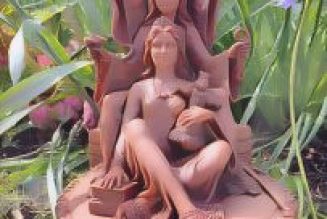
In many myths, Hecate is connected to places of transition, such as thresholds, crossroads, and boundaries. These are spots where the physical world and the spiritual world meet. She is often shown holding torches, which represent her ability to guide people through darkness and uncertainty. Artists sometimes depict her with three faces or forms, symbolizing the past, present, and future, or the three phases of the moon.
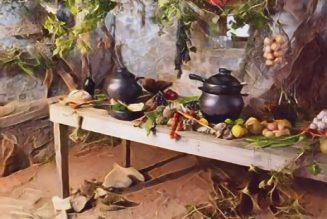
The main center of Hecate’s worship was at Lagina in Caria, but shrines dedicated to her could be found throughout Greece. People placed statues or masks of Hecate at crossroads and left offerings called “Hecate’s suppers” at these places, especially during the dark moon. These rituals were meant to calm restless spirits and ask for Hecate’s protection.
Hecate appears in many ancient writings, such as Hesiod’s Theogony and other classical texts. She plays an important role in the story of Persephone’s return from the underworld, where she acts as a guide and a link between the worlds of the living and the dead.
Over time, Hecate became linked with other goddesses, especially Artemis and Selene. Some of her qualities and symbols were shared with them. Hecate was also seen as the patron of witches and sorceresses, like Medea, and was often called upon in magical rituals and spells in the ancient world.
In places like Thessaly, groups of women worshipped Hecate, often at night, to honor her connections to the moon and the underworld. Her main symbols include keys, torches, daggers, and dogs. Each of these represents her role as a guardian of boundaries, secrets, and the unseen.
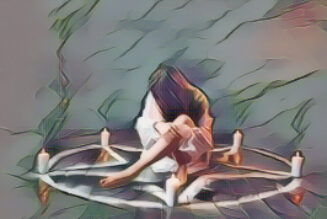
Today, Hecate is still honored in modern witchcraft and neopagan traditions. She is seen as a goddess of transformation, intuition, and empowerment. Many people look to her for guidance during times of change or when facing important decisions. Her influence continues in modern rituals, where she is called upon for protection, wisdom, and magical skill.
(long pause) Hecate’s lasting presence in myth, art, and spiritual practice shows her deep importance as a guardian of boundaries, a bridge between worlds, and a source of mystical power.