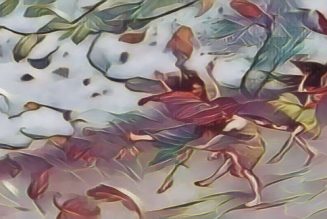
The besom, or witch’s broom, is one of the most recognizable symbols in witchcraft. Throughout history, it has appeared in legends and stories, often shown as the magical tool that lets witches fly through the night. This image has fascinated people for generations, and even today, the besom is a strong symbol of the craft.
While many know the besom from tales of flying witches or even the fictional sport of Quidditch, its real importance is in its practical and spiritual uses. For those starting their journey in witchcraft, the besom is a valuable tool, offering both tradition and flexibility.
In rituals, the besom is mainly used to sweep and cleanse a ceremonial space before any magical work begins. This sweeping is gentle and symbolic, not meant for heavy cleaning, but to prepare the area for sacred activities.
By lightly sweeping, you remove not just physical dust, but also clear away any negative or stagnant energy that may have built up since the last ritual. This helps create a purified and balanced space, making sure your magical work happens in a clean and protected environment.
The besom is seen as a tool of purification. In many traditions, it is connected to the element of Water, which highlights its role in cleansing and renewal. Water is often linked to emotional healing, intuition, and washing away negativity.
Many witches are proud of their broom collections, and it is common to find practitioners with several besoms, each serving a different purpose or holding a unique energy. If you want a more personal connection, making your own besom can be a meaningful experience, letting you fill your tool with your own intentions from the start.
Traditionally, a magical besom is made with birch twigs for the brush, a strong ash or oak handle, and willow branches to tie it all together. Each wood has its own magical meaning—birch for purification, ash or oak for strength and protection, and willow for flexibility and intuition.
In recent years, handfasting ceremonies—pagan or witch weddings—have brought new attention to the besom as a symbol of union and new beginnings. During these ceremonies, couples often “jump the broom” to mark their step into married life, blending old traditions with modern celebrations.
This act, called “jumping the broom,” is a joyful ritual that marks crossing a threshold, leaving the past behind, and starting a new chapter together.
While many people connect this ceremony to the slave culture of the American South, history shows that besom weddings were also practiced in parts of the British Isles, especially among those who could not marry in a church. This history shows the besom’s lasting role in important life events and community celebrations.
The first recorded claim of someone flying on a broomstick comes from 1453, when a French priest named Guillaume Edelin confessed, under pressure, to riding a broom as part of supposed witchcraft. (pause) This confession, made during the witch trials, helped create the popular image of the flying witch.
Earlier stories describe witches flying on different sticks, like walking sticks or tree branches, not just brooms. These tales may come from ancient fertility rituals, where people would ride and jump with their besoms in fields to encourage crops to grow tall.
In these farming rituals, jumping with the besom was believed to show how high the crops should grow, mixing practical hopes with magical symbolism.
Archaeologists have found that some old besoms had hidden compartments in their handles. These secret spaces were used to store herbs, oils, feathers, or other ritual items, letting witches carry their magical supplies secretly during ceremonies or spellwork.
There are also stories of besom handles being covered with “flying ointment”—a mix of herbs and oils thought to cause visions or altered states, which added to the legends of witches flying.
Whether you see the besom as a practical tool, a symbol of change, or a link to ancient traditions, it remains an important part of witchcraft. By learning about its history and meaning, you can use the besom in your own magical practice with confidence and respect.