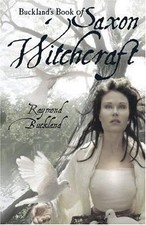
Buckland’s Book of Saxon Witchcraft is one of the most influential works in modern Pagan and Wiccan literature. Written by Raymond Buckland, a pioneering figure in the spread of Wicca in the United States, the book serves as a comprehensive guide to Seax-Wica, a tradition he founded in the 1970s based on Anglo-Saxon symbolism and mythology. Originally published as The Tree: The Complete Book of Saxon Witchcraft, it remains an important text for students of contemporary witchcraft.
One of the book’s greatest strengths is its accessibility. Buckland presents rituals, ceremonies, beliefs, and magical practices in a clear and organized manner, making the text suitable for both coven members and solitary practitioners. Unlike many occult works that rely on secrecy or vague symbolism, Buckland openly shares the structure of Seax-Wica, including self-dedication rites, seasonal celebrations, runic lore, and practical magical techniques. This openness reflects his goal of creating a democratic and approachable form of witchcraft.
The book is particularly valuable for readers interested in Anglo-Saxon culture and mythology. The emphasis on deities such as Woden and Freya provides a distinctive alternative to more traditional Gardnerian Wiccan systems. Buckland’s writing is informative and detailed, offering readers a complete framework for spiritual practice rather than a collection of isolated spells or rituals.
However, modern readers may find some aspects dated. Certain rituals, ceremonial structures, and gender-based assumptions reflect the cultural attitudes of the period in which the book was written. Some critics have also noted that the text can feel overly focused on Buckland’s specific tradition rather than providing a broader exploration of Saxon history or paganism.
Overall, Buckland’s Book of Saxon Witchcraft is a significant and historically important work. While it may not appeal to every modern practitioner, it remains an essential resource for those interested in Seax-Wica, the development of contemporary witchcraft, and Raymond Buckland’s lasting contribution to modern Pagan spirituality. Its blend of practical instruction, mythology, and ritual makes it a worthwhile and engaging read.